

Acoustic ratings from 42dB
up to 57dB
Door systems fitted up to 3000mm high
Framed or frameless acoustic doors
Fire-rated Pyranova doors available
Customise your finish and ironmongery

Fire & Acoustic Glass Doors
Not only can toughened glass door systems in commercial buildings promote safe, collaborative, and inclusive workspaces, but they’re also a durable option that can deliver an impressive performance in adverse conditions, such as distracting levels of noise or high temperatures.
Here at Glass Interiors, we ensure that we only provide our customers with the best fire-rated glass and acoustic glass options around. Which is why we supply acoustic glazed doors manufactured by Alitek, delivering and installing precision-engineered acoustic door sets across the UK.
Excellent Acoustic Performance
Glass doors and modular partitions are commonplace in modern offices and educational facilities, thanks to their ability to let natural light flood through buildings. However, for workers and academics to be able to concentrate, they should be made from specialist acoustic laminated glass.
Our range of acoustic glazed doors, manufactured by Alitek and configured and installed by the skilled team at Glass Interiors, can deliver exceptional performance in reducing sound transmission between enclosed areas – keeping noise levels down and affording privacy for important discussions.
Acting as a barrier against sound waves, our acoustic glass products can make a big difference in the perceived loudness of an area, improving productivity and the quality of day-to-day life in these spaces.
Noise Reduction & Fire Suppression
In addition to being manufactured with outstanding acoustic performance in mind, some double-glazed solutions can also support fire safety. While a standard acoustic door has an E30 rating, our glass fire doors can offer Ei30 or Ei60 fire ratings alongside a 57dB rating for enhanced noise reduction.
Want to learn more about our high-quality glass door sets, including acoustic sliding glass doors?
Browse the systems below for details on their acoustic performance, fire rating, thicknesses, and frame options – plus a choice of hinge, lock, and finish designs – then contact us for a price estimate!
Quick Enquiry
Please fill out the contact form below to enquire about our fire-rated and acoustic glass doors:
D90 Acoustic Door
Overview
The Alitek acoustic door is compatible with all of our glazing systems. Metal work can come with an RAL powder coat or anodised finish. Depending on your configuration, the door can achieve up to 45dB noise reduction.
Choose from many different ironmongery styles, including lever handles or pull handles. All of our doors can also be integrated with access control systems.
Typical Door Configuration
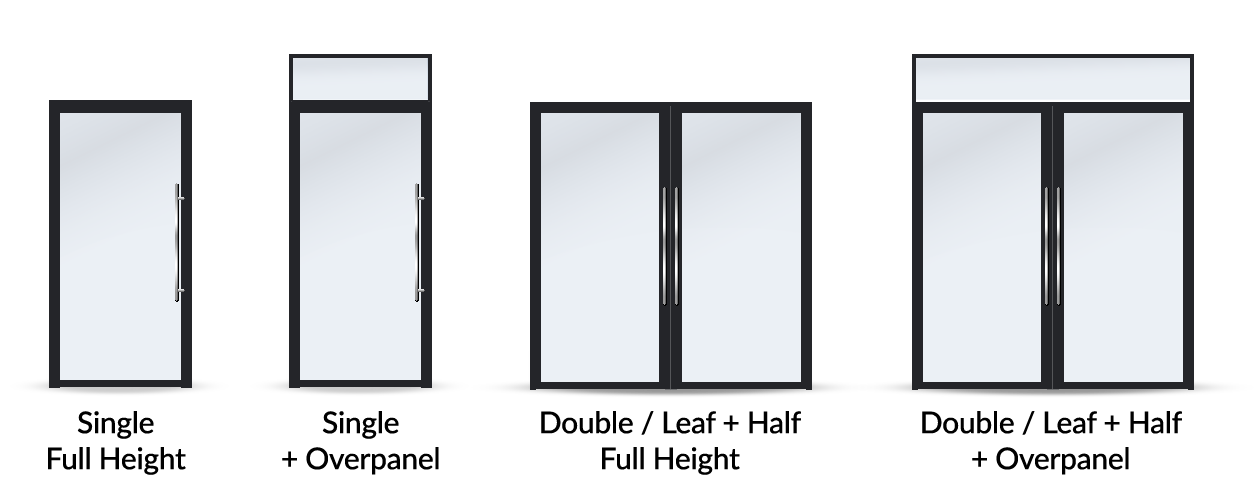
Dimensions
Up to 3000mm High
Up to 1100mm Wide
Fire Rating
E30
Acoustics
Up to 45dB (Rw) +/-3dB
Glass Type / Finish
DG Sealed Unit 24mm
Frame Compatibility
TG90 / SG50
Ironmongery
Pull Handles
Lever / Latch / Lock
Door Closing Operators
Access Control
Hinge Type
Hydraulic Patch
Hydraulic Hinge
Concealed Hinge
Finish
Anodised
Powder Coated
SS Ironmongery
SD50 Acoustic Sliding Door
Overview
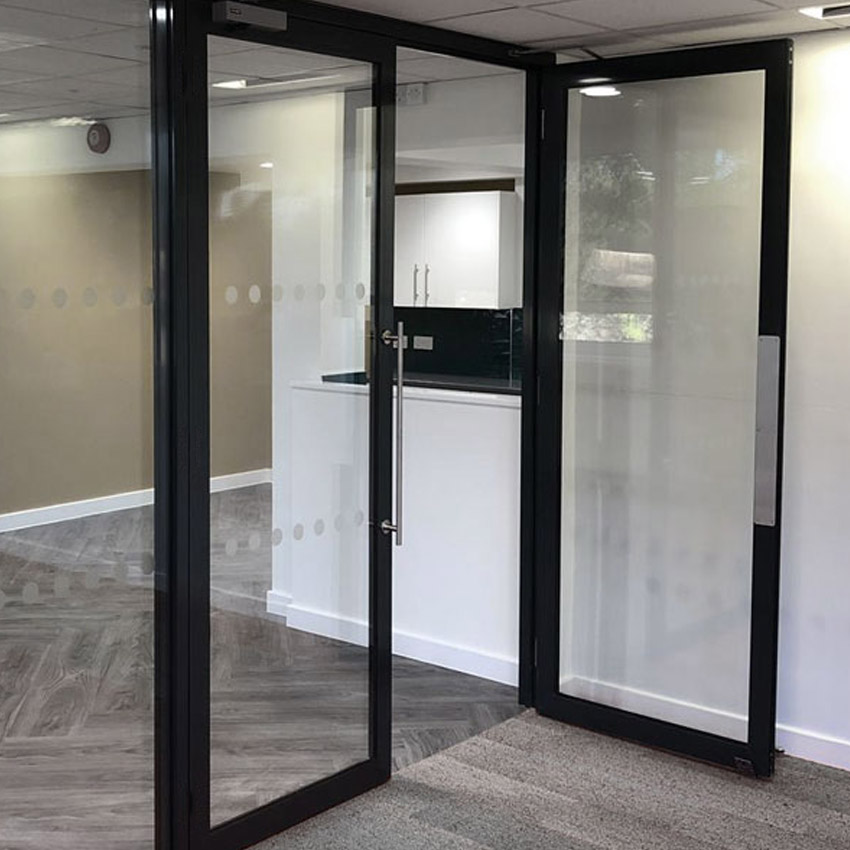
The Alitek acoustic sliding door can be used with all of our non-fire-rated partition systems. With the option of any RAL or BS colour powder-coat finish, its slimline design helps to create a minimalist look in modern spaces.
Depending on your glazing choice, the acoustic glass door can achieve up to 42dB noise reduction. It can also slide into a glazed or non-glazed pocket for a hidden look.
Typical Door Configuration
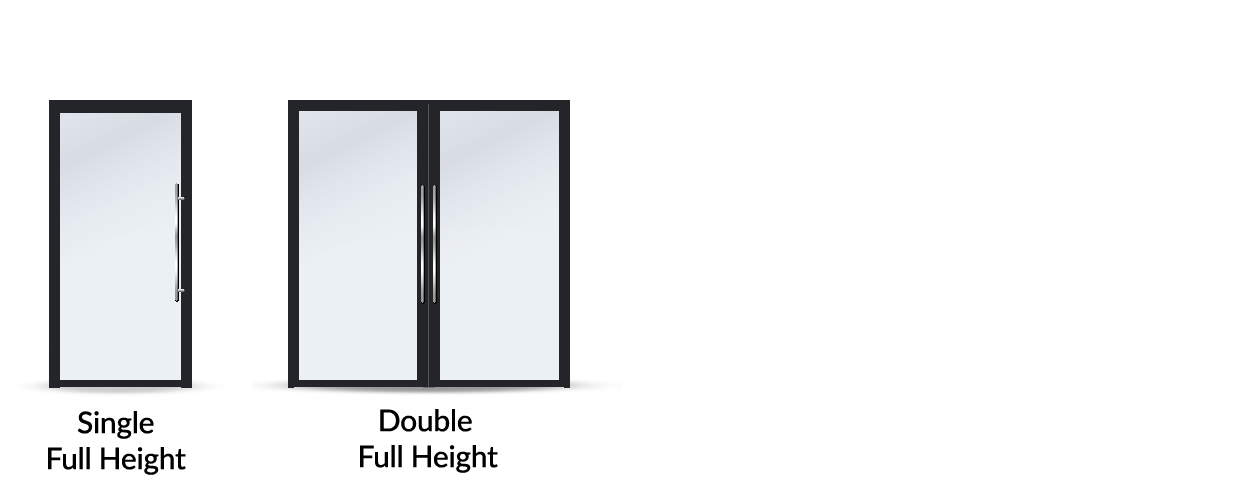
Dimensions
Up to 3000mm High
Up to 1200mm Wide
Fire Rating
Non Fire Rated
Acoustics
Up to 42dB (Rw) +/-3dB
Glass Type / Finish
10mm Toughened
12mm Toughened
12.8mm Acoustic Lam
Frame Compatibility
Not Applicable
Ironmongery
Pull Handles
Access Control
Hinge Type
Sliding Head System
Furniture Finish
Satin Stainless Steel
Anodised
Powder Coated
TG100 Fire Doors Ei30 / Ei60
Overview
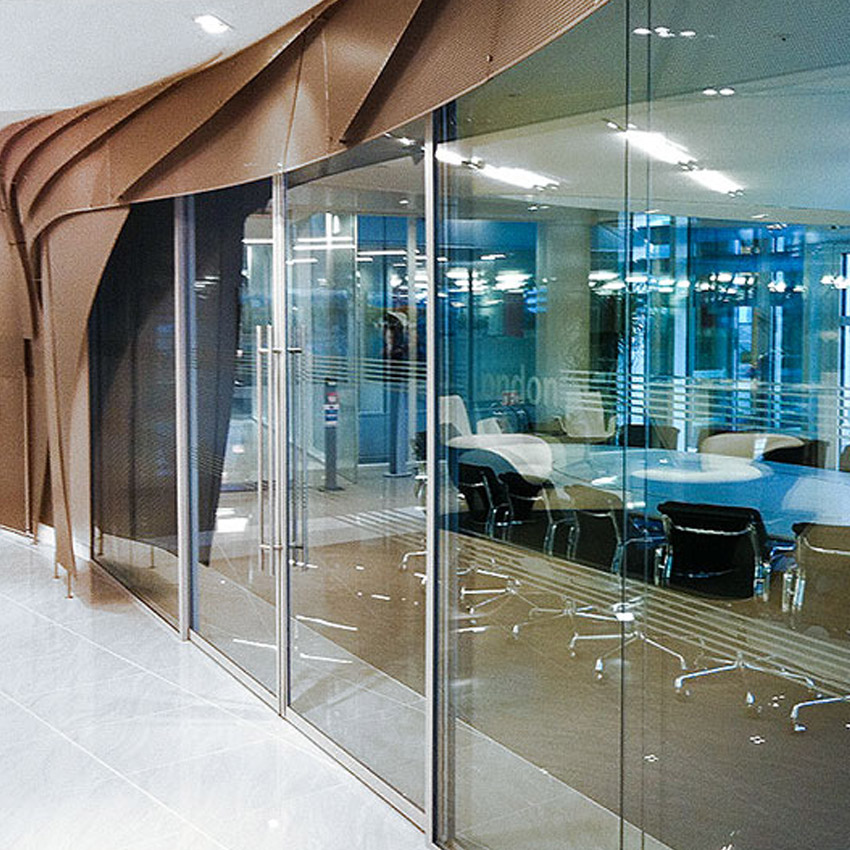
The D25 LOFT door leaf is framed using an ultra-slim profile set into a slim aluminium rebated frame. Hydraulic hinges with hold-open and self-closing functionality or free-swing hinges may be used in this fire-rated acoustic door system.
Pull handles or lever handles can be used with a rebated keep within the frame. Frames and ironmongery can be powder-coated in standard BS or RAL colours or anodised with metal finishes to suit the style of your space.
Typical Door Configuration
Dimensions
Up to 3000mm High
Up to 1100mm Wide
Fire Rating
Ei30 Fire Rated
Ei60 Fire Rated
Acoustics
Upto 57dB (Rw) +/-3dB
Glass Type / Finish
Pyranova 15mm
Pyranova 18mm
Pyranova 23mm
Frame Compatibility
TG100 Fire Frame
Ironmongery
Pull Handles
Lever / Latch / Lock
Drop Down Seal
Door Closer
Hinge Type
Hinged To Frame
Furniture Finish
Satin Stainless Steel
Anodised
Powder Coated
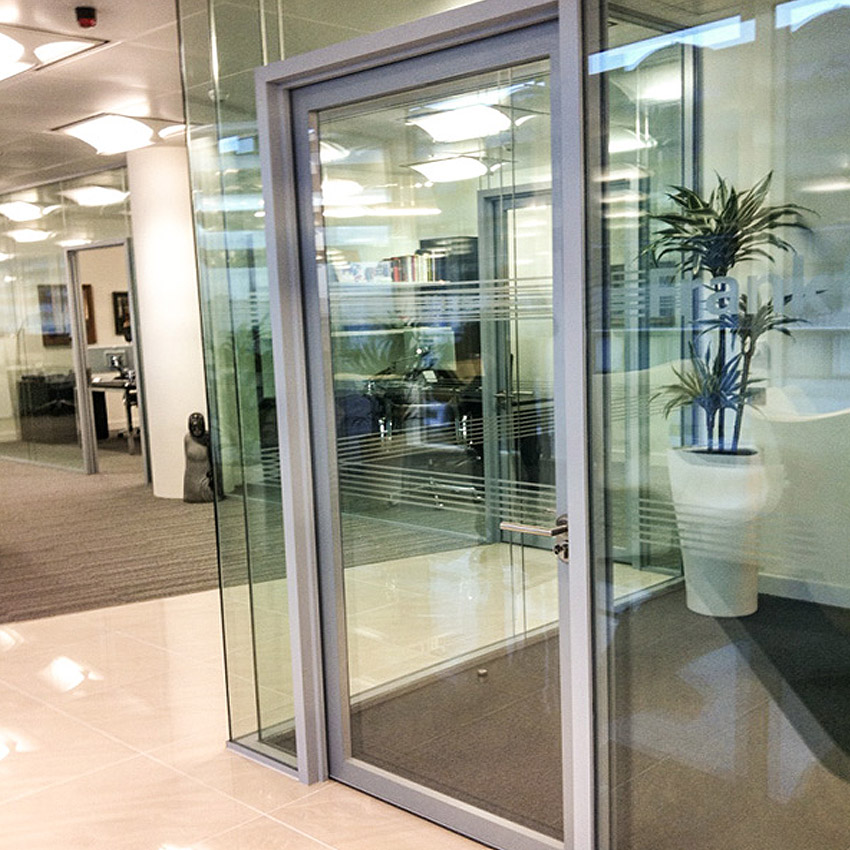
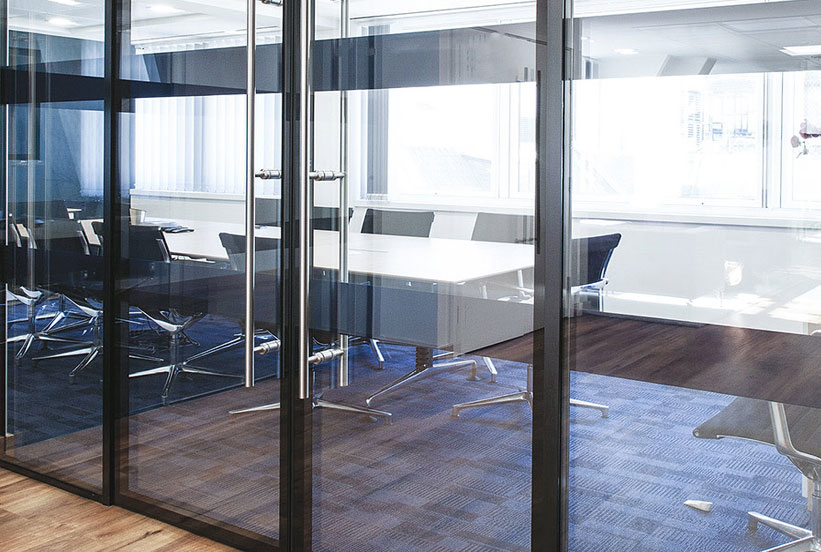
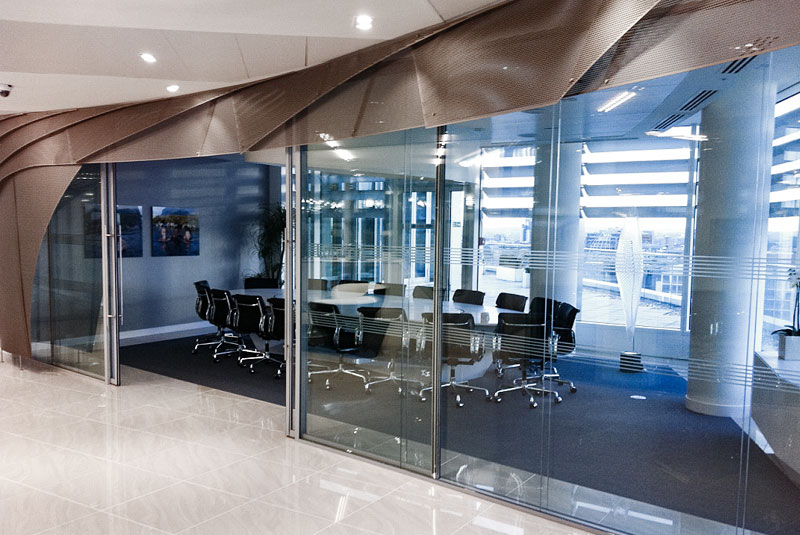
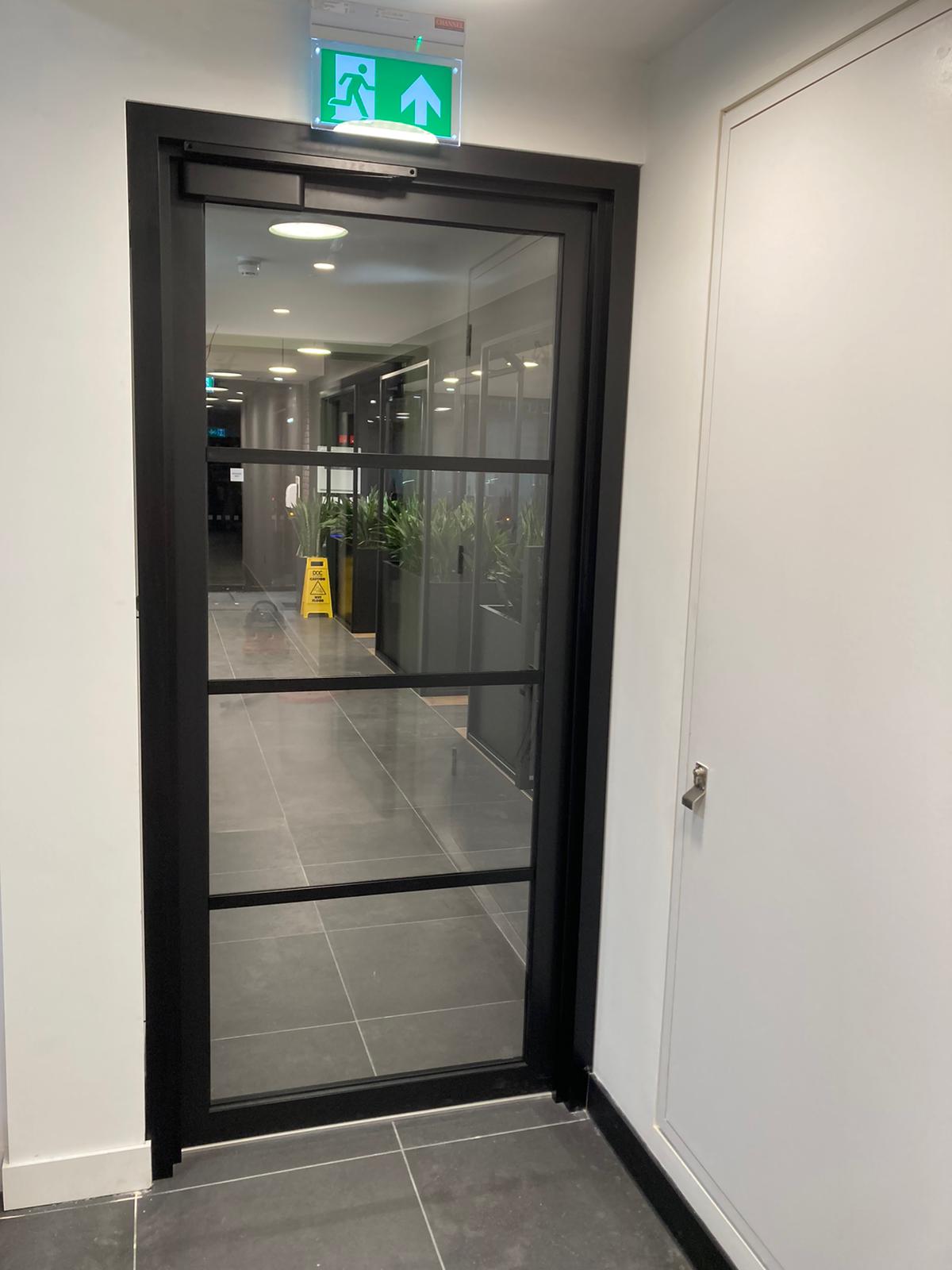
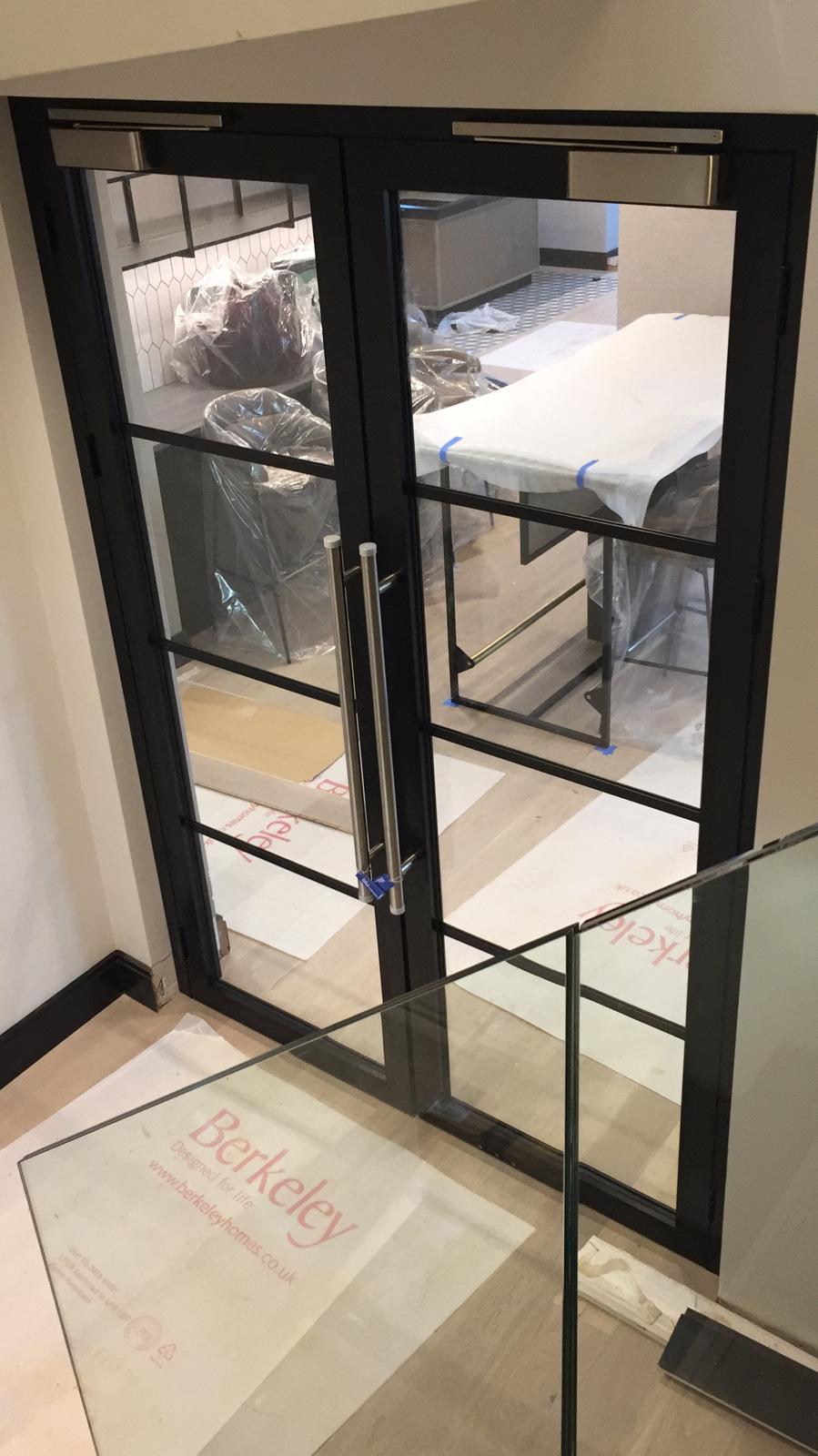
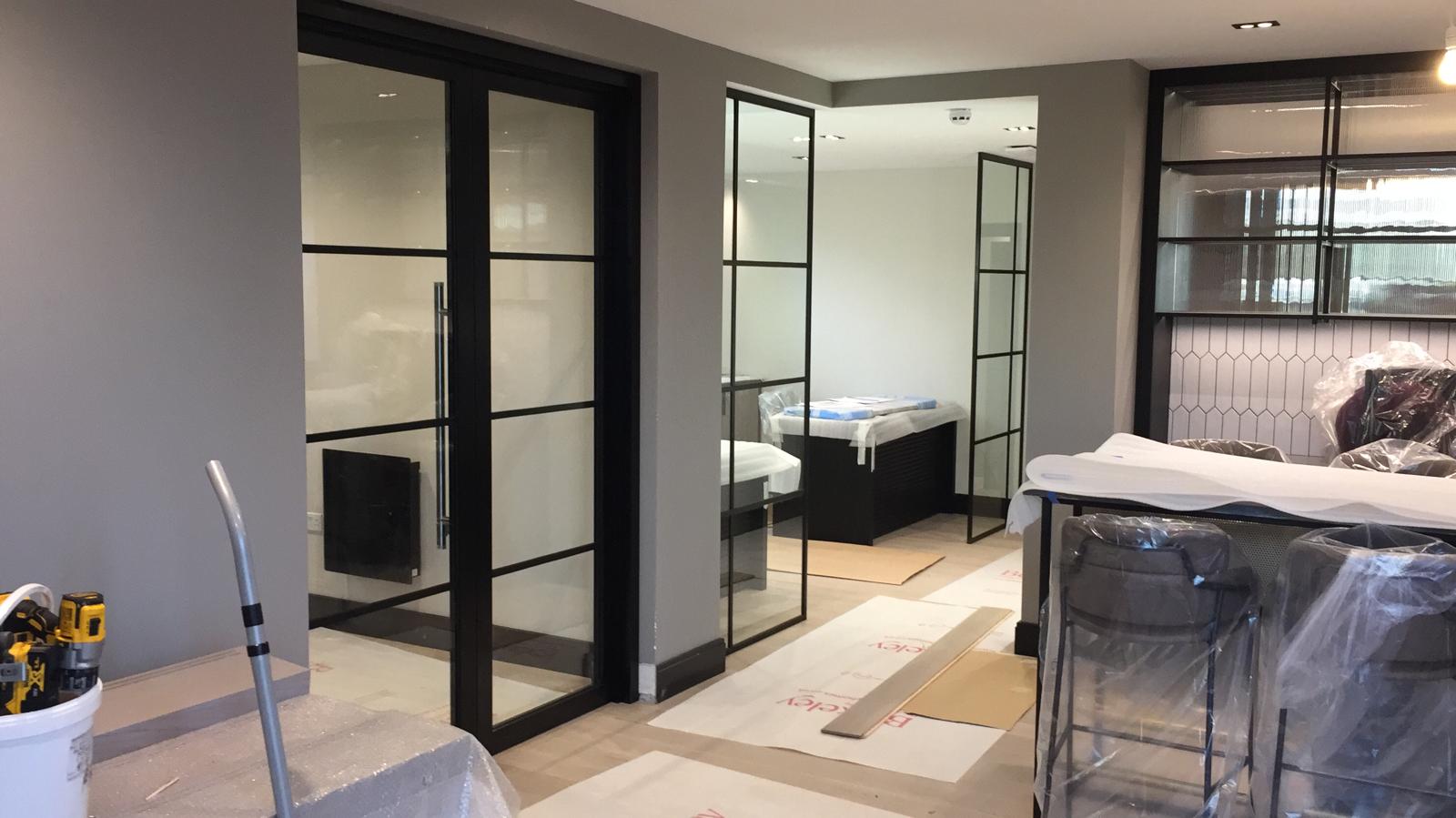
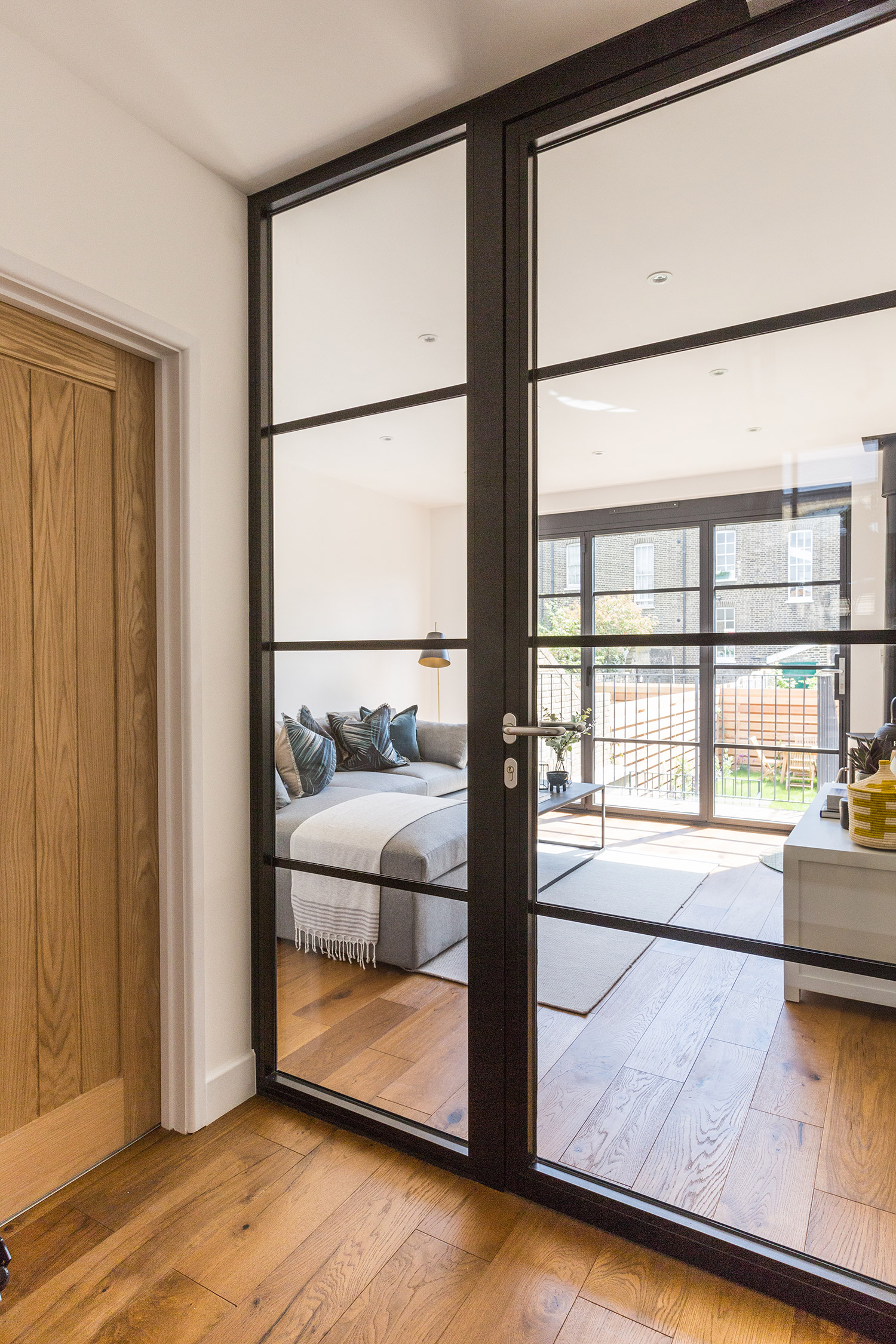
SG25 Project Gallery




Fire & Acoustic Glass Door FAQs
Are acoustic glass doors soundproof?
There are generally two types of sound – impact noise and airborne noise. Specially designed acoustic doors can reduce the transmission of both of these sounds from one space to another by providing a stronger barrier and seal to prevent noise intrusion, even when made with glass.
However, it’s important to note that these acoustic glass doors offer noise reduction up to a certain level, and are not 100% soundproof or noise-cancelling. Our acoustic doors can reduce noise up to 45dB, while acoustic sliding doors offer sound protection up to 42dB. Our fire-rated doors are also available with noise reduction up to 57dB.
While they are sound-resistant and not necessarily soundproof, the extra insulation used to achieve the noise-reducing effect comes with the additional benefits of increased thermal protection and safety – all while maintaining the flow of light and visual appearance of more open space afforded by glass door systems.
How do acoustic glass doors reduce noise?
To the untrained eye, they don’t necessarily look any different to a standard single-pane glass door – but acoustic glass doors are manufactured in a specific way to reduce noise transmissions from one side of the glass to the other.
This involves using multiple layers of glass, typically sandwiching two panes together with an insulating interlayer – often PVB (polyvinyl butyral) – which helps to absorb the sound vibrations and reduce the amount of noise passing through.
The ‘acoustic membrane’ filters out noise up to at least 42dB, keeping noise pollution to a minimum and creating a more peaceful, ambient environment for work or leisure. Various sizes and thicknesses are available, depending on the setting and the level of noise reduction required.
Whichever acoustic glass door system and specifications you choose, you can be confident that it will maintain aesthetic appeal and durability while functioning as both an ordinary door and a sound reduction barrier.
Where can acoustic glass doors be used?
Generally, acoustic glass is used wherever it’s necessary to create a quiet environment. Whether the purpose is to keep sound in for privacy, to keep external noise out to maintain peace and productivity, or both at the same time, acoustic glass doors and partition walls are ideal for doing so without creating a closed-off environment.
As the average conversation volume is around 55–65 decibels, our selection of acoustic doors offering noise reduction from 42dB to 57dB could be perfect for busy settings that are constantly in use, like office units or residential complexes.
Acoustic glass can be used in various applications, such as:
- Commercial buildings
- Classrooms
- Recording studios
- Healthcare facilities
- Meeting rooms
- Conference rooms
Essentially, any noise-sensitive structure could benefit from acoustic glass, thanks to its combination of sound-resistant functionality and impressive modern aesthetics, which can easily complement a range of architectural and décor styles.
What’s the difference between acoustic glass vs laminated glass?
Acoustic glass is a type of laminated glass, as it is made using two panes of glass with an insulating layer in between them. However, while standard laminated glass uses this structure to increase strength and safety, acoustic glass is designed this way to help reduce the transmission of sound through the window or door panel.
This means all acoustic glass is laminated, but not all laminated glass is designed with enhanced acoustic insulation as a priority. Regular laminated glass focuses on impact resistance and holding the pieces together if the panels break, whereas acoustic glass is an upgraded version that typically uses thicker glass and insulating layers.
Overall, acoustic glass doors are still as strong and safe as laminated glass doors, but they’re designed slightly differently with noise reduction in mind. An acoustic glass door will be much better at dampening sound, while also retaining the greater strength of laminated glass and helping to improve heat insulation at the same time.
Standard laminated doors won’t have an acoustic rating because they aren’t designed that way, but optimised acoustic doors will each have a dB (Rw) rating. This weighted sound reduction index rating tells you, in decibels, the level of sound the door should be able to contain and prevent from passing through to the other side.
If you have any questions about these ratings, feel free to contact us and ask our team for more information.
Are acoustic sliding doors as effective as standard acoustic doors?
When choosing between acoustic glass door designs, the level of sound reduction is obviously the primary concern, but you also need to consider other factors like spatial constraints. In smaller and more compact layouts, acoustic door installations may need to prioritise a more practical sliding mechanism with a smaller footprint.
Sliding doors are sleeker and often more efficient than regular doors in such spaces, but compared to the more traditional style of acoustic French doors, their installation won’t be able to achieve the same seal. This is because of the way sliding mechanisms work, as air passes through them, which means sound can also pass through.
However, while acoustic sliding doors are less airtight than framed swing doors, they can still offer significantly improved sound insulation compared to standard sliding glass doors. Our sliding doors are rated up to 42dB( Rw), while our hinged doors are rated up to 45dB (Rw), so they can still muffle conversations and general noise.
The level of noise reduction you can achieve with a sliding glass door depends on the construction and installation.
So, if you have questions about the ratings of our acoustic door kits, simply send us a message, and we can discuss the different designs with you.
